Doctoral Research
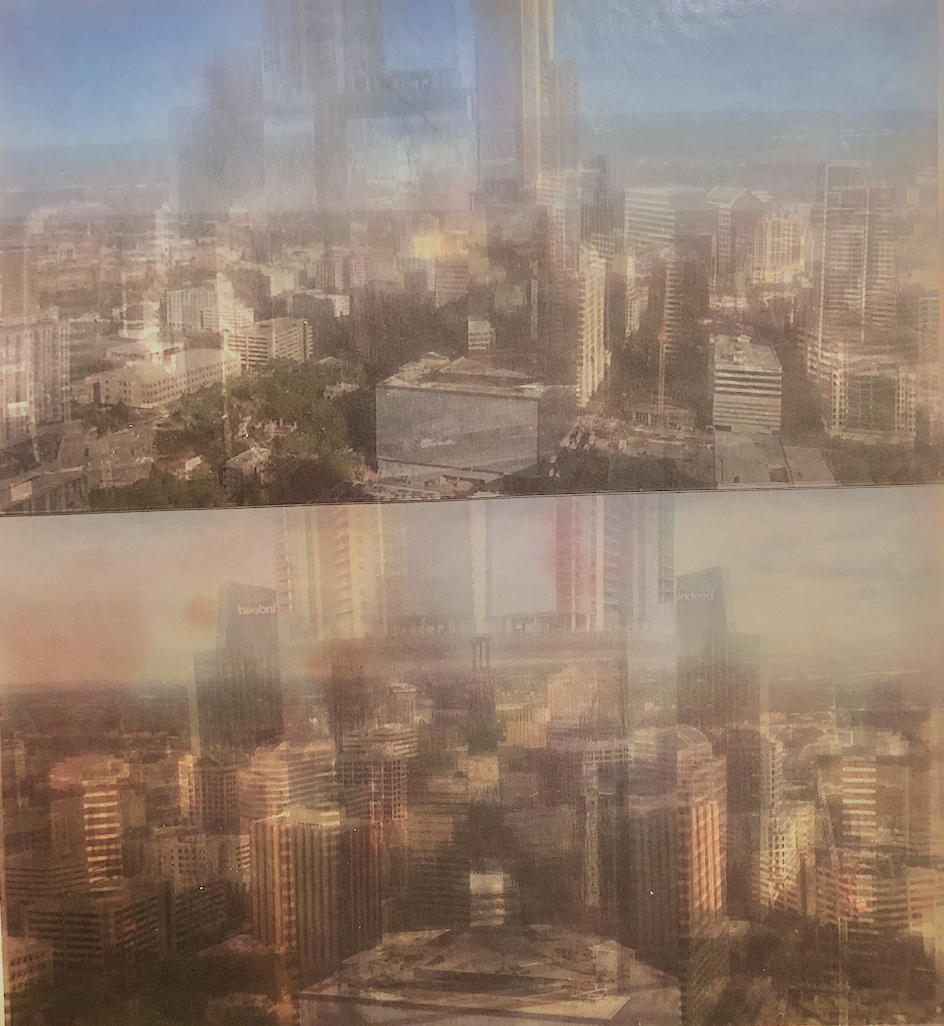
My Dissertation, Spatial un/Realities: Technocapitalism and its Geographic Imaginaries, examines the tech industry in Austin, Texas, considering how place-based logics of relation shape emergent technological and spatial imaginaries. This project tracks how contemporary tech industries negotiate with pre-existing urban spatial configurations— how they are mobilized to reconfigure or reproduce geographic structure and experience, and how they mediate imaginaries of spatial futures. Centrally, I consider how the city’s techno-capitalist development has been shaped by central Texas’ geographic histories of settler colonialism, frontierism, and spatial segregation. This work illuminates how configurations of gender, race, and class are repackaged in the contemporary projects of techno-capitalism, as imaginaries of the Texan frontier and its cowboy heroes coalesce with the tech industry into what I call a Tex-Bro technoculture. The ethics of sociospatial relations that this Tex-Bro culture circulates and encodes in the city is of central interest to this project.
Drawing on two years of multi-sited ethnographic fieldwork conducted between 2023 and 2025, discourse analysis, and archival research, this research traces the variegated forms with which techno-capitalist spatial imaginaries circulate, concentrate, and materialize in Austin’s tech industry. Across four empirical chapters, the dissertation follows these effects through time, land, culture, subjects, technological practices, and urban spatial arrangements. The project develops the concept of technologies of un/reality to name the structural conditions of a world whose fabric of the real has been fractured through ubiquitous digital mediation and the acceleration of techno-capitalist ideologies. I have presented this research at the American Association of Geographers, the American Anthropological Association, the Society for the Social Studies of Science, the Society for Literature, Science, and the Arts, and more. It has appeared or is forthcoming in peer-reviewed journals including Digital Geography & Society, Human Geography, Sociology Lens, and Capacious, as well as in multiple collected editions including the Wiley-Blackwell Handbook of Cultural Geography.
Hear more about my research in this interview with VR researcher Kent Bye
and this podcast with the Plutopia News Network
Methods
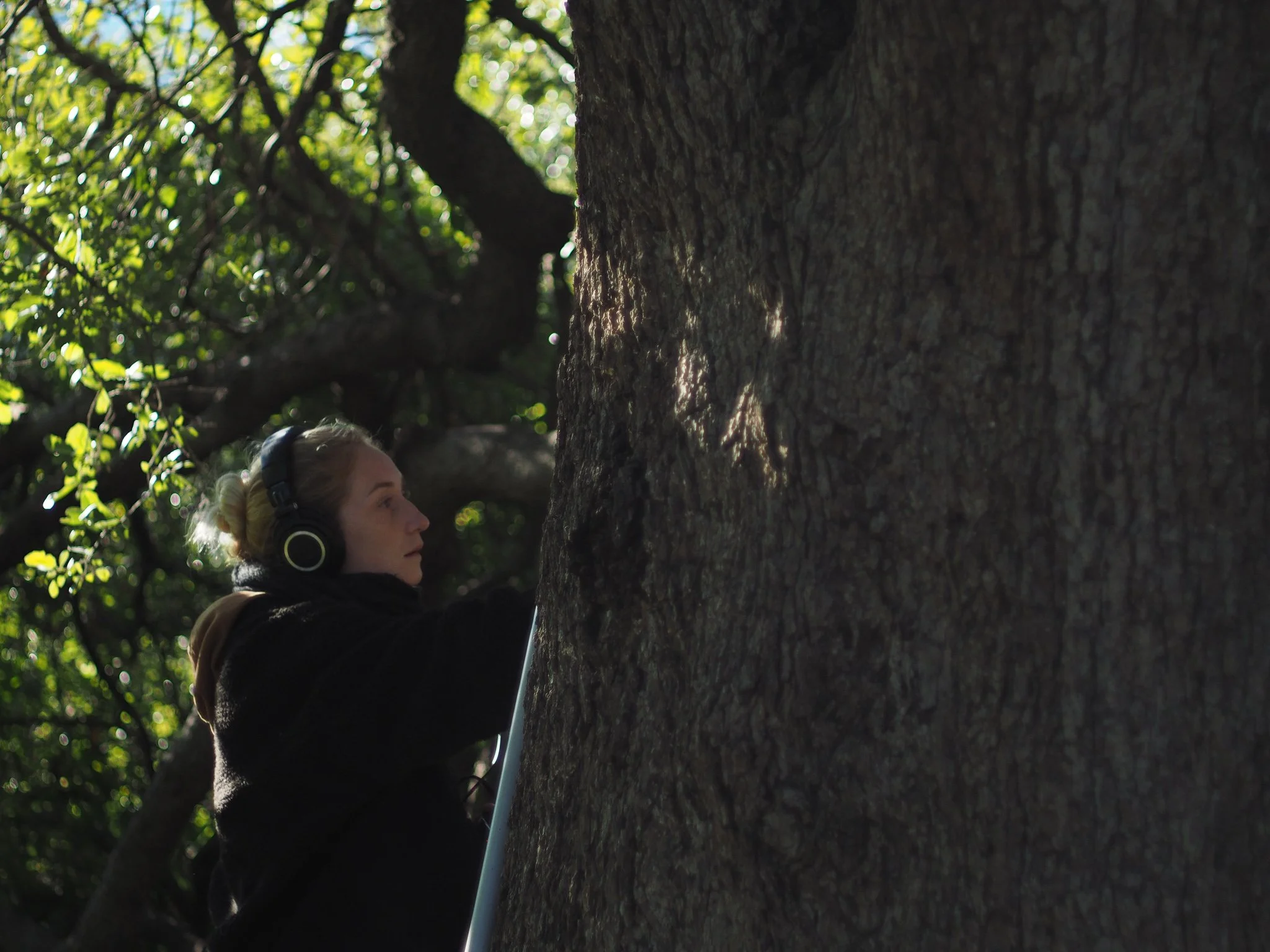
My dissertation research is grounded in semi-structured interviews and ethnographic field work done in the tech industry in Austin, TX and the tech industry community. This fieldwork was guided by the attunements of sensory ethnography, embodied ethnography and critical ethnography. I spent two years embedded in the tech ecosystem in Austin, engaging three core spaces where technoculture coalesces in the city: South by Southwest Technology Conference, the Austin Forum for Technology and Society, and the Capital Factory Center for Entrepreneurship. During this work, I conducted over 40 interviews with members of the city’s tech industry, including a wide range of professions and stakeholders.
Collaborations
Throughout my five years as a PhD student at the University of Texas at Austin, I have worked as a Graduate Research Assistant for labs in five different departments and been brought on as a co-author of four interdepartmental research articles. I am most proud of the role I have played participating in these interdisciplinary research projects at UT, and am immensely energized by my ongoing work contributing a geographic lens to these communities.
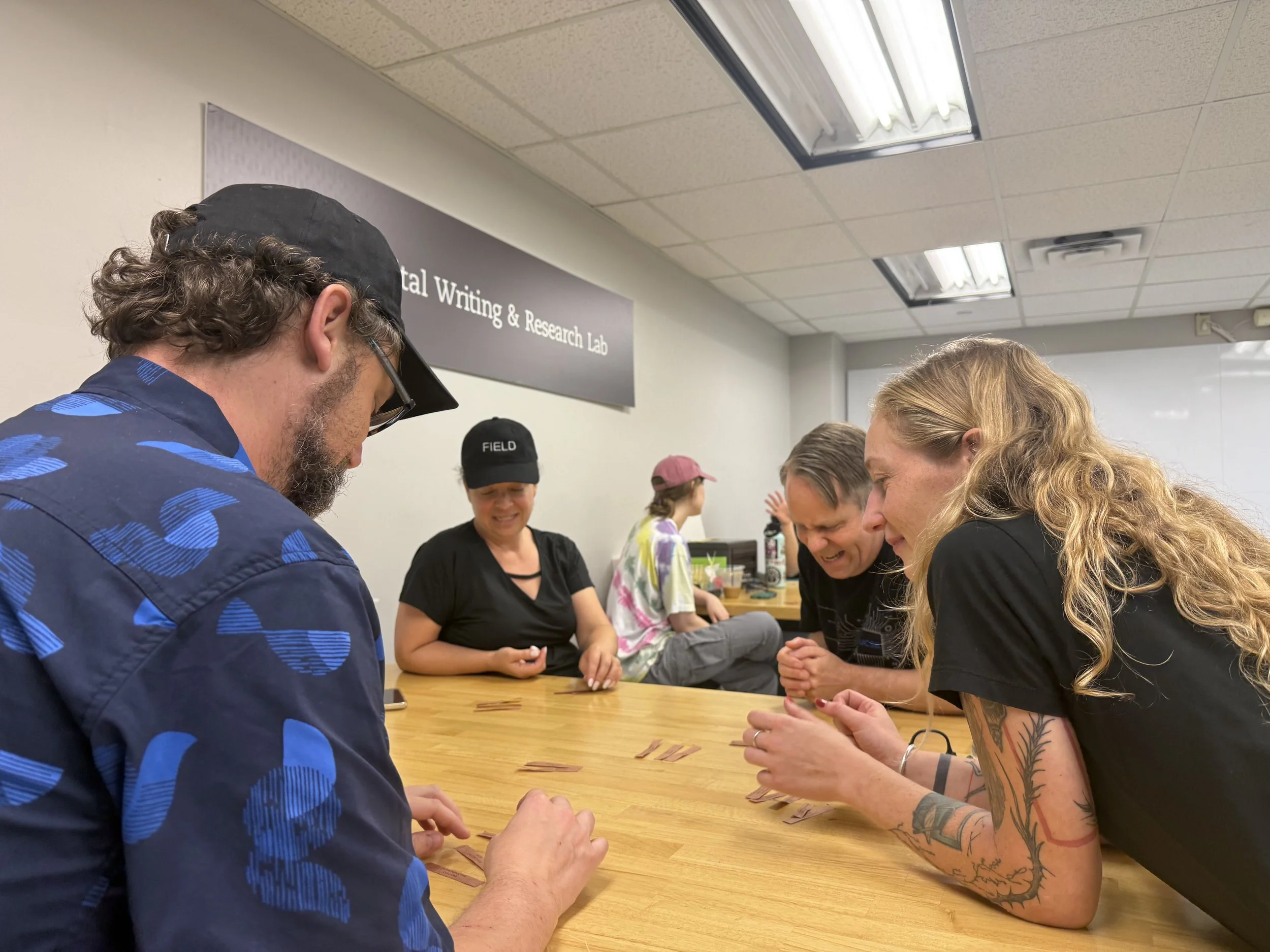
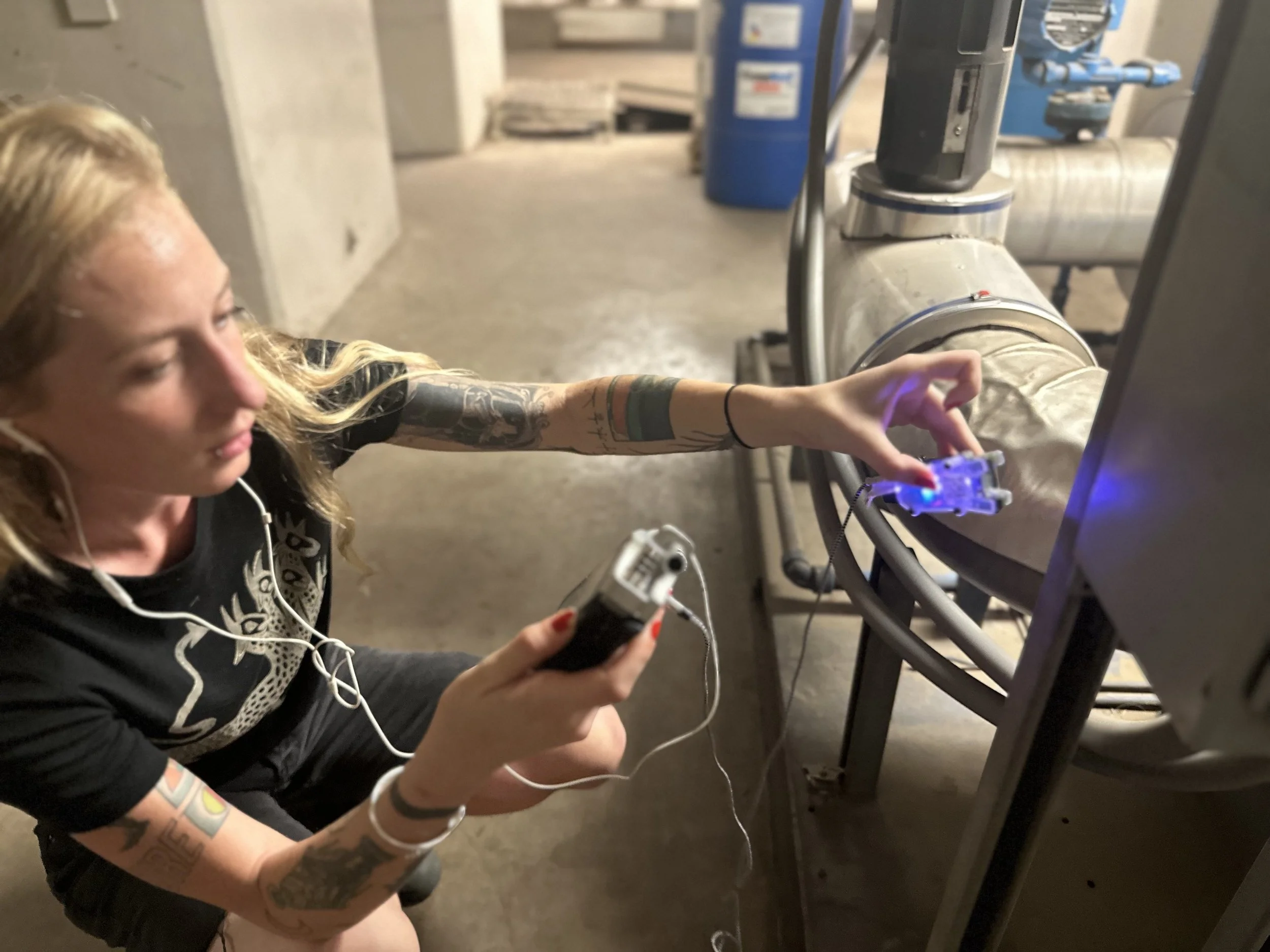
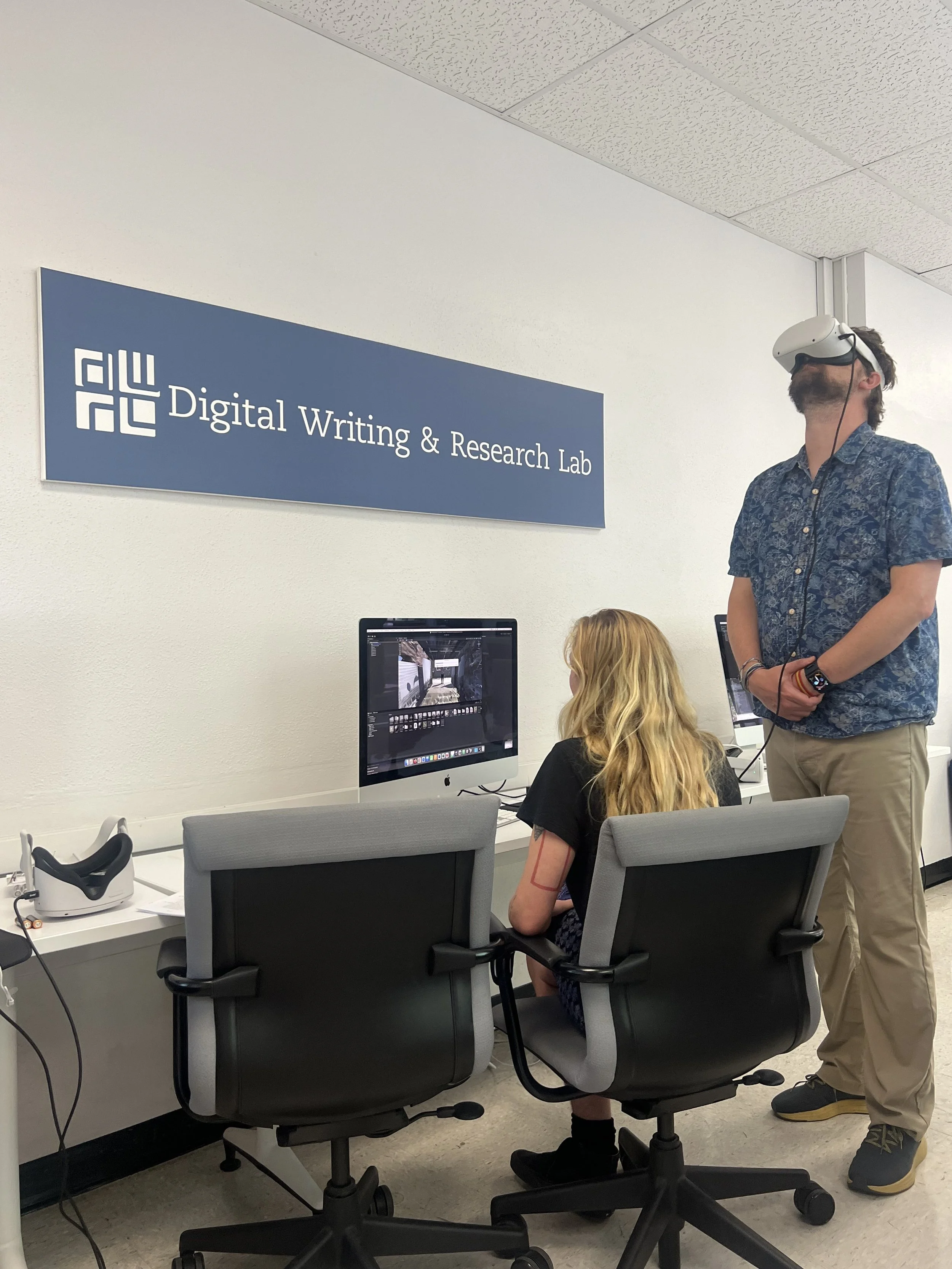
The research experience includes sensory ethnography with the Digital Writing and Research Lab; ethnography and archival content analysis with the Border Tech Lab; participant observation, data visualization and mapping with the Data Visualization Lab; discourse analysis and digital ethnography with the Assemblies of Technosolutionism working group; and grounded theory with the Group for Robotics in the Humanities.
I have served as the assistant director of the Digital Field Methods Institute at UT, a two-week research intensive that offers technical and theoretical training in digital field methods to doctoral students and professors in the humanities across the country. In this role I have helped conceive of the conceptual focus and research agenda of each year’s institute (find out more here), created and produced multiple workshops on data collection and analysis each year, and helped train researchers through hands-on field experience. This has included leading trainings on experimental field methods using photogrammetry, virtual reality, geophones, electromagnetic field sensors, hydrophones, microscopes, thermal cameras, time-lapse cameras, and more.